

7–8 Day Scenic Trek to the Roof of Africa
The Lemosho Route is one of the most spectacular and rewarding ways to climb Mount Kilimanjaro, Africa’s highest mountain at 5,895 meters (19,341 feet).
Beginning on the remote western side of Kilimanjaro National Park, this route is famous for its stunning scenery, low crowds during the first days, and one of the highest summit success rates on the mountain.
Trekkers on the Lemosho Route experience a remarkable journey through several ecological zones—from lush rainforest and rolling moorland to alpine desert landscapes and the icy glaciers of the summit. Because the route allows for gradual altitude gain, climbers have more time to acclimatize, increasing their chances of successfully reaching Uhuru Peak, the highest point in Africa.
For many experienced guides and climbers, the Lemosho Route offers the best overall Kilimanjaro climbing experience, combining breathtaking views, diverse landscapes, and excellent acclimatization conditions.

Overview of the Lemosho Route
The Lemosho Route approaches Mount Kilimanjaro from the western side of the mountain, beginning in a remote forested area of Kilimanjaro National Park. This section of the park is rich in wildlife and offers a peaceful introduction to the climb.
During the first days of the trek, climbers pass through dense rainforest where colobus monkeys, antelope, and tropical bird species can sometimes be spotted. As the trail climbs higher, the landscape gradually transitions into the dramatic Shira Plateau, one of Kilimanjaro’s most unique geological formations.
The route continues across the plateau and eventually merges with the Machame Route, following the scenic southern circuit around the mountain. Trekkers pass through famous locations such as Lava Tower, Barranco Valley, and Karanga Camp before reaching Barafu Camp, the final base before the summit attempt.
Because of its longer duration and gradual altitude gain, the Lemosho Route offers an excellent acclimatization profile and is often recommended for climbers seeking a higher probability of reaching the summit.
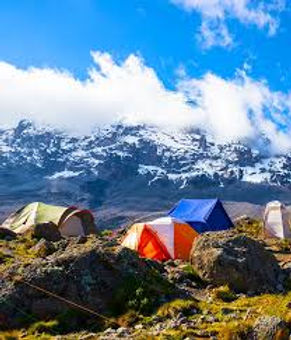
Why the Lemosho Route Is One of the Best Kilimanjaro Routes

1. Exceptional Scenery Throughout the Trek
The Lemosho Route is widely regarded as the most scenic route on Mount Kilimanjaro. Trekkers pass through a variety of spectacular landscapes, including dense rainforest, rolling moorland, alpine desert, and the icy summit zone near Uhuru Peak. The route also crosses the breathtaking Shira Plateau, one of the most beautiful areas on the mountain. This diversity of landscapes makes the Lemosho Route a favorite for climbers who want to experience the full natural beauty of Kilimanjaro National Park.

2. Excellent Acclimatization Profile
One of the biggest advantages of the Lemosho Route Kilimanjaro climb is its gradual altitude gain. The route follows the recommended “climb high, sleep low” acclimatization strategy, allowing trekkers to adjust to the altitude more comfortably. This slower ascent significantly reduces the risk of altitude sickness and improves the chances of reaching the summit safely

3. High Summit Success Rate
Because of its longer itinerary and better acclimatization opportunities, the Lemosho Route has one of the highest summit success rates on Mount Kilimanjaro. Climbers following the recommended 7- or 8-day itinerary often achieve success rates of around 90% or higher. For trekkers who want the best chance of standing on Uhuru Peak, the Roof of Africa, the Lemosho Route is one of the most reliable options.

4. Less Crowded Start and More Wilderness Experience
The Lemosho Route begins on the remote western side of Mount Kilimanjaro, offering a quieter and more peaceful trekking experience during the first days of the climb. Compared to other popular routes, this section of the mountain receives fewer trekkers, allowing climbers to enjoy the wilderness and natural beauty of Kilimanjaro in a more relaxed environment. This makes the Lemosho Route ideal for adventurers seeking a more authentic and immersive Kilimanjaro trekking experience.
8-Day Lemosho Route – A Scenic and Rewarding Kilimanjaro Climb
The Lemosho Route is widely regarded as one of the most scenic and well-balanced routes for climbing Mount Kilimanjaro. Beginning on the remote western side of the mountain, the route offers a quieter and more gradual approach compared to many other Kilimanjaro trails.
The trek starts deep in the rainforest zone, where climbers walk beneath tall tropical trees and may spot wildlife such as colobus monkeys, blue monkeys, and a variety of bird species. As the climb progresses, the trail opens onto the vast Shira Plateau, one of the most dramatic landscapes on the mountain.
From the plateau, the route follows the beautiful southern circuit of Kilimanjaro, passing iconic locations such as Lava Tower, Barranco Valley, Karanga Camp, and Barafu Camp before the final ascent to the summit.
Because of its longer and more gradual ascent profile, the Lemosho Route allows trekkers more time to adapt to the altitude. This makes it one of the best choices for climbers seeking a higher summit success rate and a more enjoyable trekking experience.
Duration
The Lemosho Route trek typically takes 6, 7, or 8 days, depending on the itinerary selected.
Shorter itineraries are possible, but most experienced guides recommend the 7- or 8-day climb because the additional days provide better acclimatization and allow trekkers to enjoy the scenery at a more comfortable pace.
The extended itinerary also increases the likelihood of reaching the summit successfully while reducing the physical strain of rapid altitude gain.
The Lemosho Route is generally classified as moderately difficult, making it suitable for adventurous travelers with a reasonable level of fitness.
Although the climb does not require technical climbing skills or mountaineering experience, trekkers should be prepared for several consecutive days of hiking at high altitude.
Daily hikes usually last between 4 and 7 hours, while the summit push can take 10 to 14 hours in total. Proper preparation, a steady pace, and guidance from experienced mountain guides are key factors for a successful Kilimanjaro climb.
Difficulty
Scenery and Experience
The Lemosho Route is famous for its spectacular scenery and diverse trekking experience.
From the very beginning of the climb, trekkers are surrounded by the natural beauty of Kilimanjaro National Park. The route passes through a variety of ecosystems, each offering a different perspective of the mountain.
During the early stages of the trek, hikers travel through dense rainforest, where towering trees, moss-covered branches, and vibrant wildlife create a rich tropical environment.
As the trail climbs higher, the forest gradually gives way to heath and moorland landscapes characterized by giant lobelias, unique groundsel plants, and wide-open views across the mountain slopes.
Further up, trekkers enter the alpine desert zone, where the terrain becomes more rugged and dramatic. Volcanic rock formations and sweeping valleys dominate the landscape, giving the climb an almost otherworldly appearance.
Near the summit, the environment transforms once again into the arctic zone, where glaciers, ice formations, and freezing temperatures create the final challenge before reaching Uhuru Peak.
Because the Lemosho Route begins in a remote area, it is less crowded during the first days, allowing climbers to enjoy a peaceful and immersive wilderness experience before joining other routes later in the climb.
Advantages of the Lemosho Route
Excellent Acclimatization Profile
One of the biggest advantages of the Lemosho Route is its gradual ascent, which allows climbers to adapt more effectively to high altitude. The itinerary follows the recommended “climb high, sleep low” acclimatization strategy, significantly improving the chances of reaching the summit.
Spectacular Scenery
Many climbers consider the Lemosho Route to be the most beautiful route on Mount Kilimanjaro. From rainforest valleys to expansive plateaus and alpine desert landscapes, the route offers breathtaking views throughout the journey.
Higher Summit Success Rate
Thanks to the longer itinerary and better acclimatization opportunities, the Lemosho Route has one of the highest summit success rates on Kilimanjaro, especially on the 7- and 8-day itineraries.
Quieter and More Remote Start
The western approach to Kilimanjaro provides a less crowded and more peaceful trekking experience during the early days of the climb, allowing trekkers to fully appreciate the mountain’s natural beauty.